
Context
Blizzard Entertainment's EMEA design function supported multiple game franchises with campaigns, CRM, web platforms, and localized content spanning 7 to 20 languages depending on launch scope. As the business grew, so did design demand — but the operating model hadn't evolved to match.
The result: a team that could no longer scale through individual effort. Fragmented workflows, manual production cycles, and over-reliance on limited development capacity were limiting the team's ability to support the business.
The Challenge
As demand escalated, the constraints became structural rather than capacity-related. The core problems were systemic:
- Fragmented workflows across different franchises and regions
- Heavy reliance on scarce development resources for routine production
- Manual, campaign-by-campaign production processes with no repeatability
- Localization efforts multiplying complexity and risk with each launch
- No clear ownership or handoff standards between design streams
Design could no longer scale through individual effort. The organization needed structural change — not more designers doing more of the same thing.
The Approach
The strategy focused on building a coordinated design function around business outcomes, not franchise proximity.
Organizational restructuring
A multidisciplinary team of 9 designers — covering UX/UI, graphic, print, and motion disciplines — was reorganized around business outcomes rather than franchise alignment. This reduced duplication and enabled specialization without creating isolated silos.
Clear delivery streams
Design work was aligned into three dedicated streams: campaigns, CRM, and web platforms. Each stream had defined ownership and clear stakeholder interfaces. Designers knew what they were accountable for, and stakeholders knew who to go to.
Coordination infrastructure
Lightweight rituals — planning moments, alignment checkpoints, and explicit handoff points — improved visibility across the team without creating excessive process overhead. The goal was coordination, not bureaucracy.
Extended capacity through embedded agencies
Agencies were embedded as structured extensions within delivery streams, operating under shared standards. This allowed the team to absorb demand peaks without eroding quality or creating dependencies on individuals.
Systems and enablement
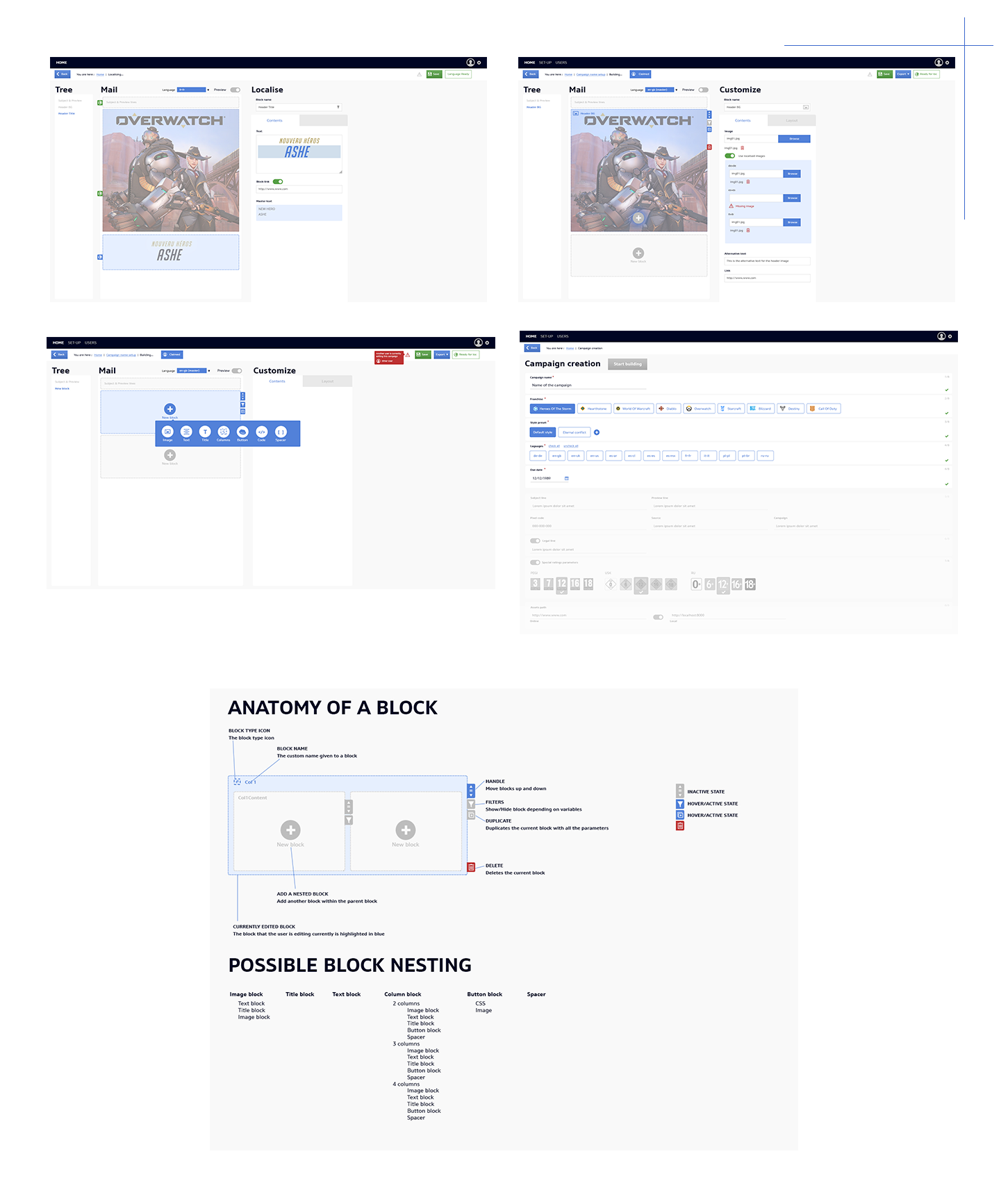
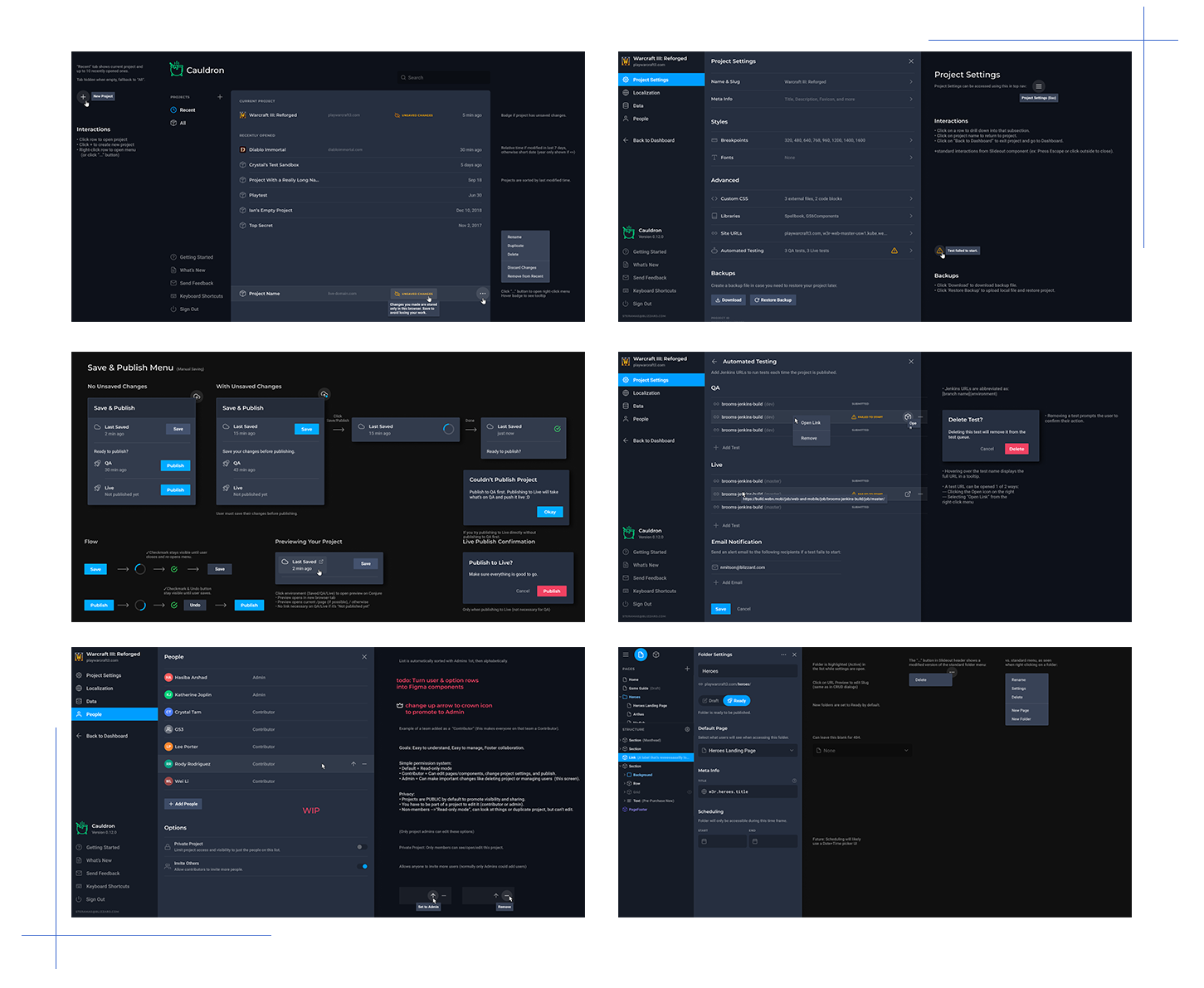
Internal tooling investments shifted designer effort away from repetitive production work and toward decision-making and quality control. Rather than hand-crafting every localized asset, the team built systems that made high-quality output the path of least resistance.
Results
By restructuring around delivery streams and investing in coordination infrastructure, the team was able to support significantly more volume with the same core headcount:
- Faster campaign, email, and landing page production with localization support
- 10+ major product and expansion launches supported internally
- Clearer ownership and fewer designer interruptions from ad-hoc requests
- Reduced escalations and improved stakeholder trust
- Design evolved into a coordinated, scalable EMEA design function
The shift from a reactive, franchise-by-franchise model to a structured delivery function meant that design could grow with the business — not just hire more people to absorb more demand.