
Stabilizing Design Delivery
in a Large-Scale Transformation
Context
France Télévisions underwent a major organizational change involving a complete rebrand, the creation of a cross-platform design system (web, mobile, TV), product evolution, and technical restructuring. Over 100 contributors from Design, Product, Engineering, and external partners were involved.
After more than a year of effort, delivery stalled. Design had become a bottleneck, timelines slipped, and inter-team trust had deteriorated.
The Challenge
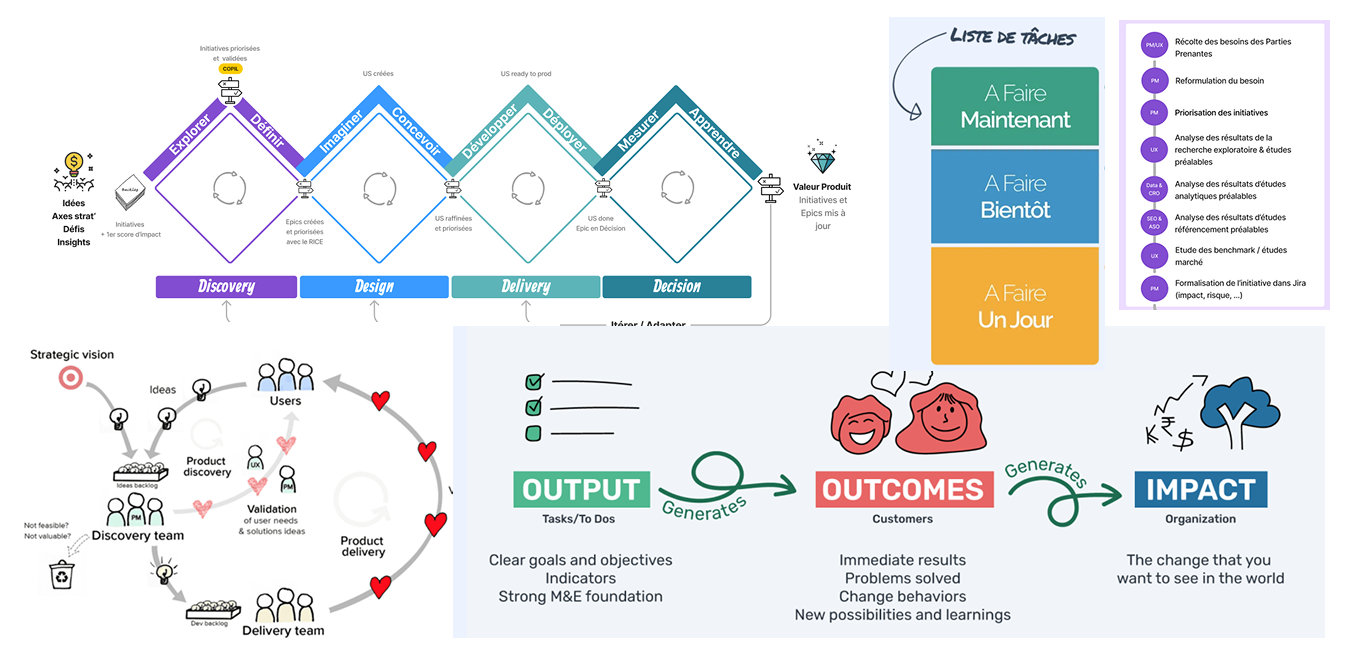
The core issues were organizational, not quality-related. There was no clear ownership or decision rights across platforms. Design was operating without shared readiness or acceptance standards. Misalignment existed between design ambition and engineering capacity.
- Senior designers spread thin across too many initiatives simultaneously
- Escalation had replaced decision-making at team level
- Delivery relied on effort and urgency rather than structure and control
- No shared Definition of Ready or Definition of Done across teams
The mandate was clear: restore delivery predictability without destabilizing the organization further. Restarting wasn't viable — teams were largely freelance and time-bound, and the scope couldn't be arbitrarily reduced.
The Approach
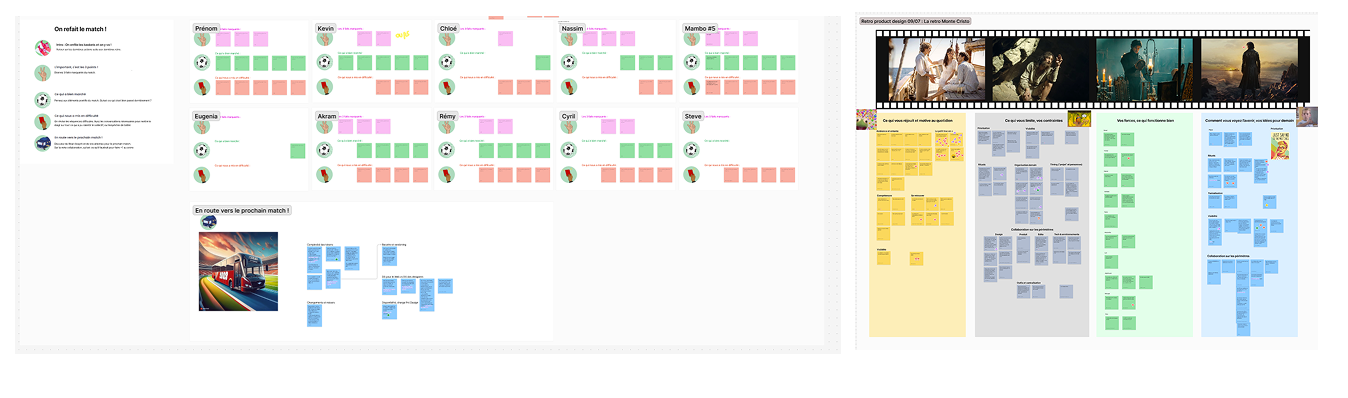
The strategy prioritized stabilization before improvement through three deliberate decisions.
1. Reinforce senior capacity strategically
Rather than spreading resources evenly, experienced designers were concentrated on critical paths. Others were reallocated to lower-risk initiatives where junior contributors could build confidence without blocking delivery.
2. Make delivery rules explicit
A shared operating model was introduced across all teams: Definition of Ready, Definition of Done, design-system-backed acceptance criteria, atomic design principles, and daily rituals aligned with Engineering. Nothing moved forward without meeting the bar — and everyone knew what the bar was.
3. Align sequencing with reality
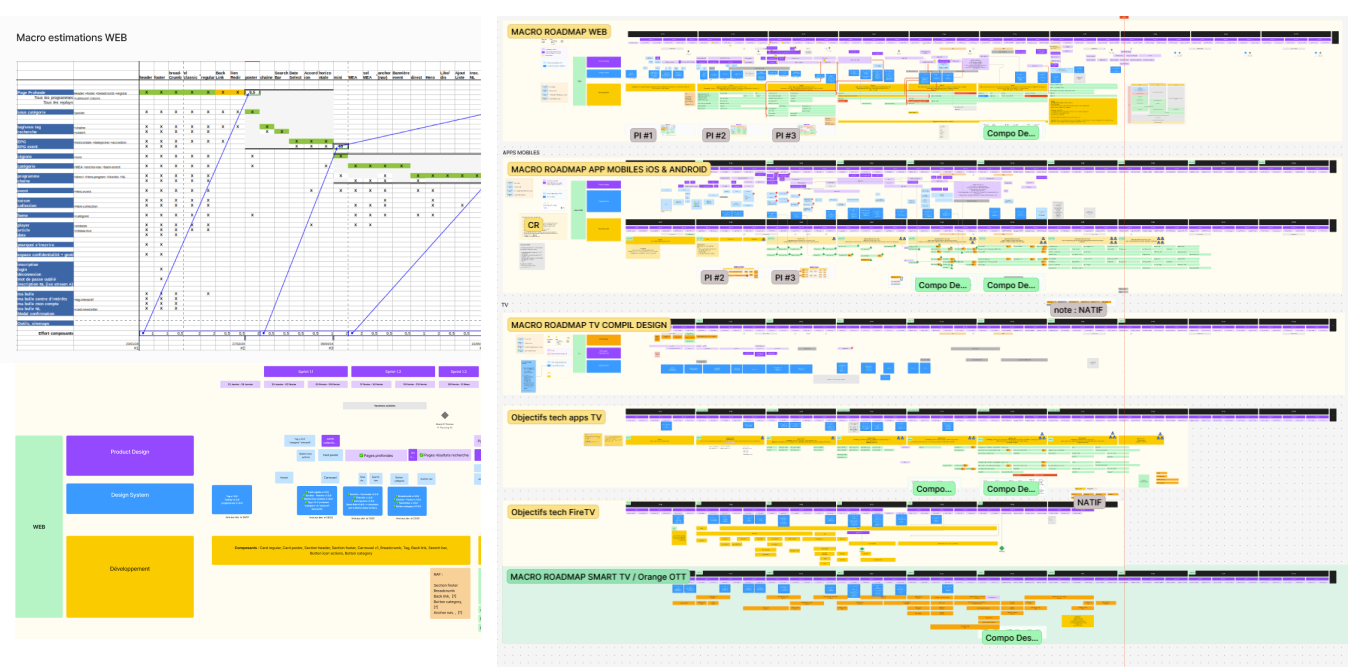
The roadmap was rebuilt based on realistic estimations and explicit trade-offs, organized around 6-week Program Increments. This gave Engineering a predictable signal and gave the design team a sustainable pace rather than a permanent sprint.
The Design System
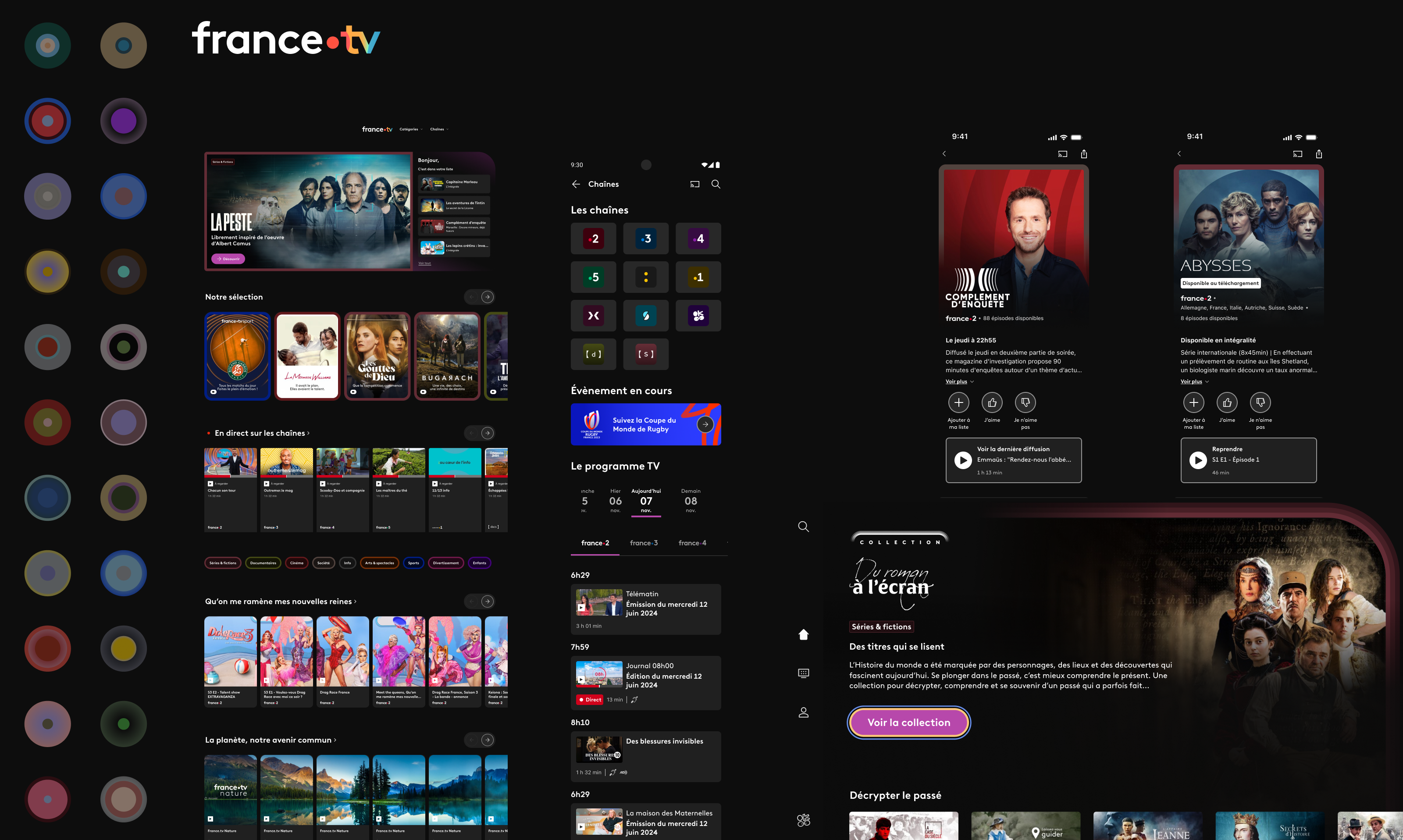
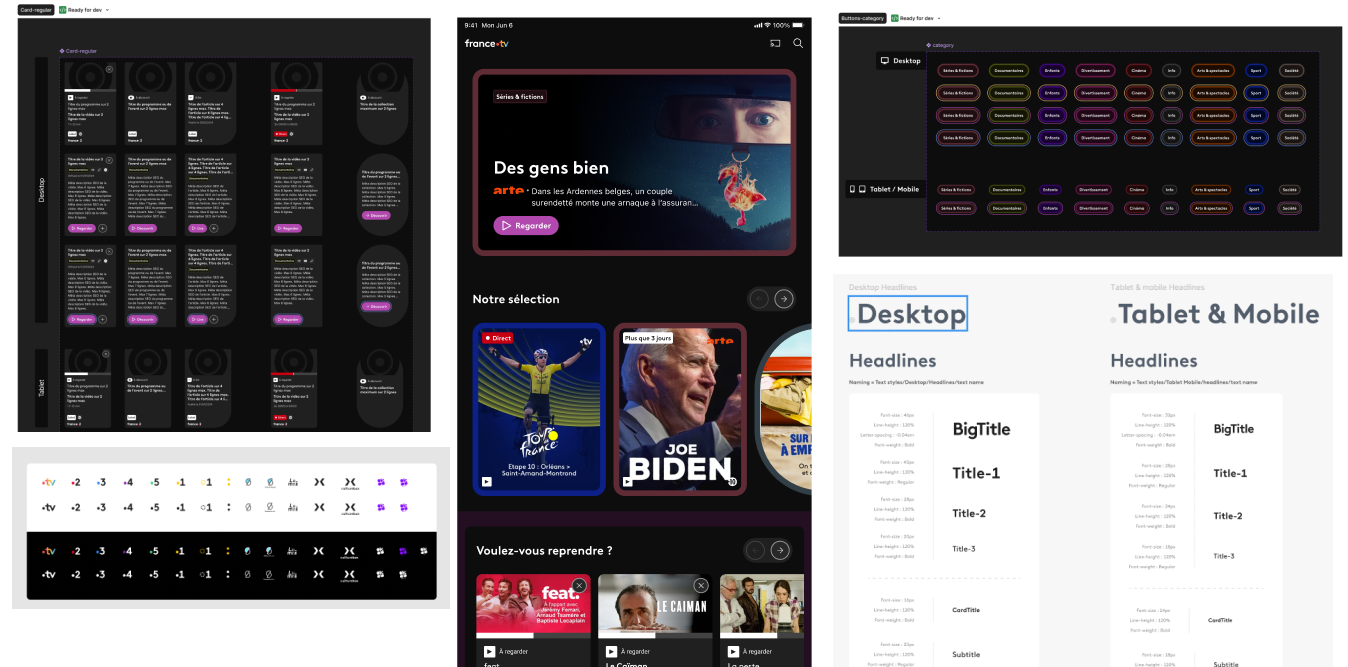
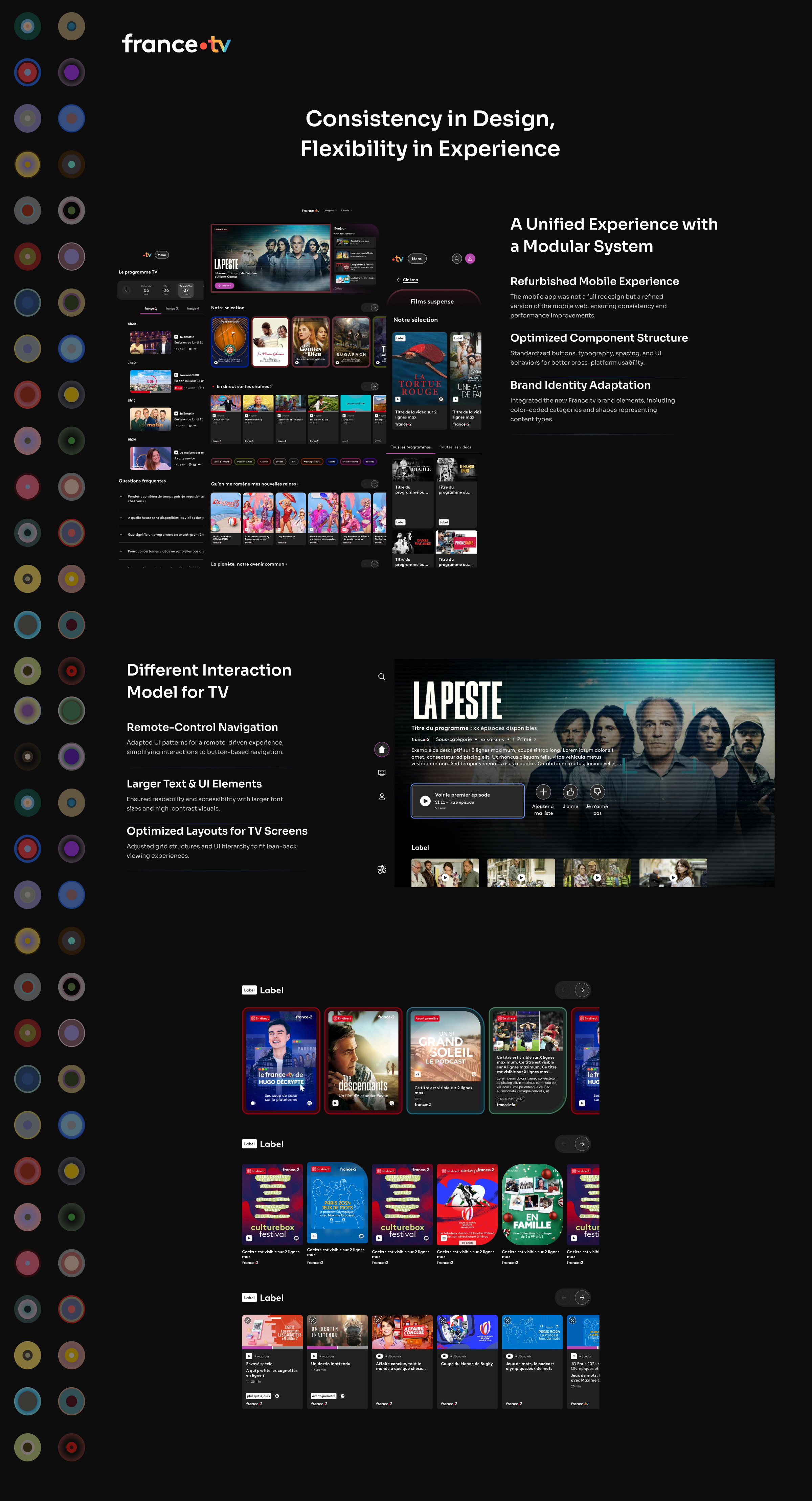
A governed, cross-platform design system was built as the infrastructure underpinning coordinated delivery. It wasn't treated as a component library — it was treated as a governance mechanism, with clear contribution rules, token structures, and platform-specific implementation guidance.
Results
By prioritizing structure over speed, the team was able to recover and scale sustainably:
- Design delivery became predictable again across all platforms
- Escalations and late-stage rework dropped significantly
- Design team scaled to 9 product designers with clear platform ownership
- Design transitioned from UI execution to a product design organization
- A governed, cross-platform design system enabled coordinated delivery at scale
- Product and Engineering regained confidence in design as a decision partner
The deliberate choice to avoid redesigning processes from scratch, introducing heavy frameworks, or optimizing for perfect design at the expense of delivery was what made the turnaround possible.